Online Gambling Trends and Innovations
The online gambling industry is undergoing a deep technological transformation, reshaping both the way platforms operate and how users engage with them. From basic websites in the 1990s to today’s sophisticated multi-vertical platforms, online casinos have evolved rapidly — driven by innovation and changing player behavior.
Mobile Gambling Becomes the New Standard

One of the most significant shifts has been the dominance of mobile gambling. Smartphones and tablets have turned iGaming into a fully on-the-go experience. In response, developers have created mobile-first apps that often outperform their desktop counterparts in terms of speed and user interface.
This shift has also changed game design. Developers now prioritize touch navigation, responsive layouts, and shorter, faster gameplay loops. Slots and table games are optimized for smaller screens, making the experience smoother and more intuitive.
Mobile tech also enables location-based promotions. With geolocation, operators can trigger targeted bonuses depending on a user’s position, increasing both engagement and retention.
AI, Blockchain, and Immersive Tech
Artificial Intelligence plays a central role in modern casino platforms. From recommendation engines that tailor game lobbies to fraud detection and responsible gaming tools, AI helps operators automate and personalize the player journey.
Meanwhile, blockchain adds transparency to payments and game fairness. With provably fair algorithms and decentralized ledgers, players gain more confidence in the legitimacy of outcomes and transactions.
Virtual and augmented reality are slowly entering the mainstream. VR-powered casinos now offer interactive lobbies, live dealers, and avatar-based social interaction — blurring the line between digital and physical gambling experiences.
Shifts in Player Preferences
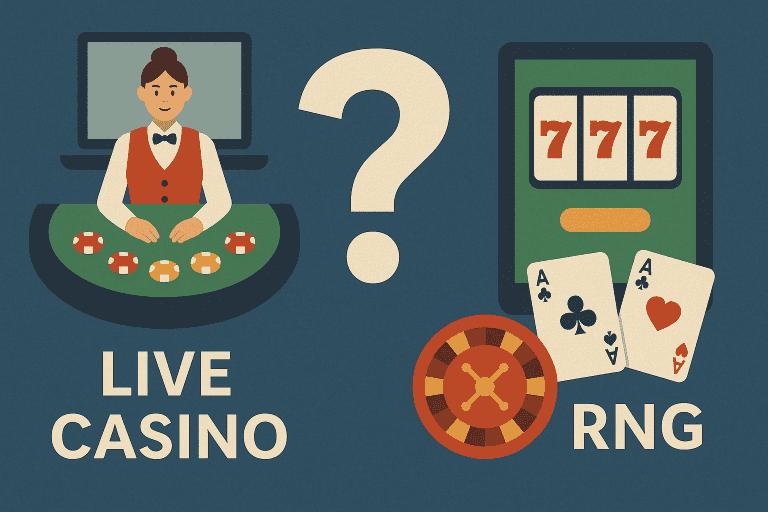
Modern gamblers expect more than just spinning reels. There’s a growing appetite for skill-based formats — from fantasy sports and poker to eSports betting and arcade-style games. This trend is pushing operators to diversify their content beyond traditional RNG titles.

Social gambling is also on the rise. Features like real-time chat, tournaments, and multiplayer lobbies are no longer optional — they’re expected. Many platforms now integrate leaderboard mechanics, gifting, and community goals to drive longer sessions and deeper engagement.
Finally, responsible gambling is becoming a core part of the product design. Features like session limits, reality checks, and self-exclusion options are being implemented by default — not as a regulatory checkbox, but as a commitment to sustainable gaming.
Conclusion
The future of online gambling lies at the intersection of personalization, transparency, and interactivity. As new technologies continue to shape player expectations, only those operators who adapt quickly will stay relevant in this highly competitive market.