
Global Online Gambling Regulation in 2025
Choosing the right market is the first and most critical decision when launching an online casino. In 2025, regulation remains the key factor determining where operators can legally and safely enter the iGaming industry.
Three Legal Categories Across the World
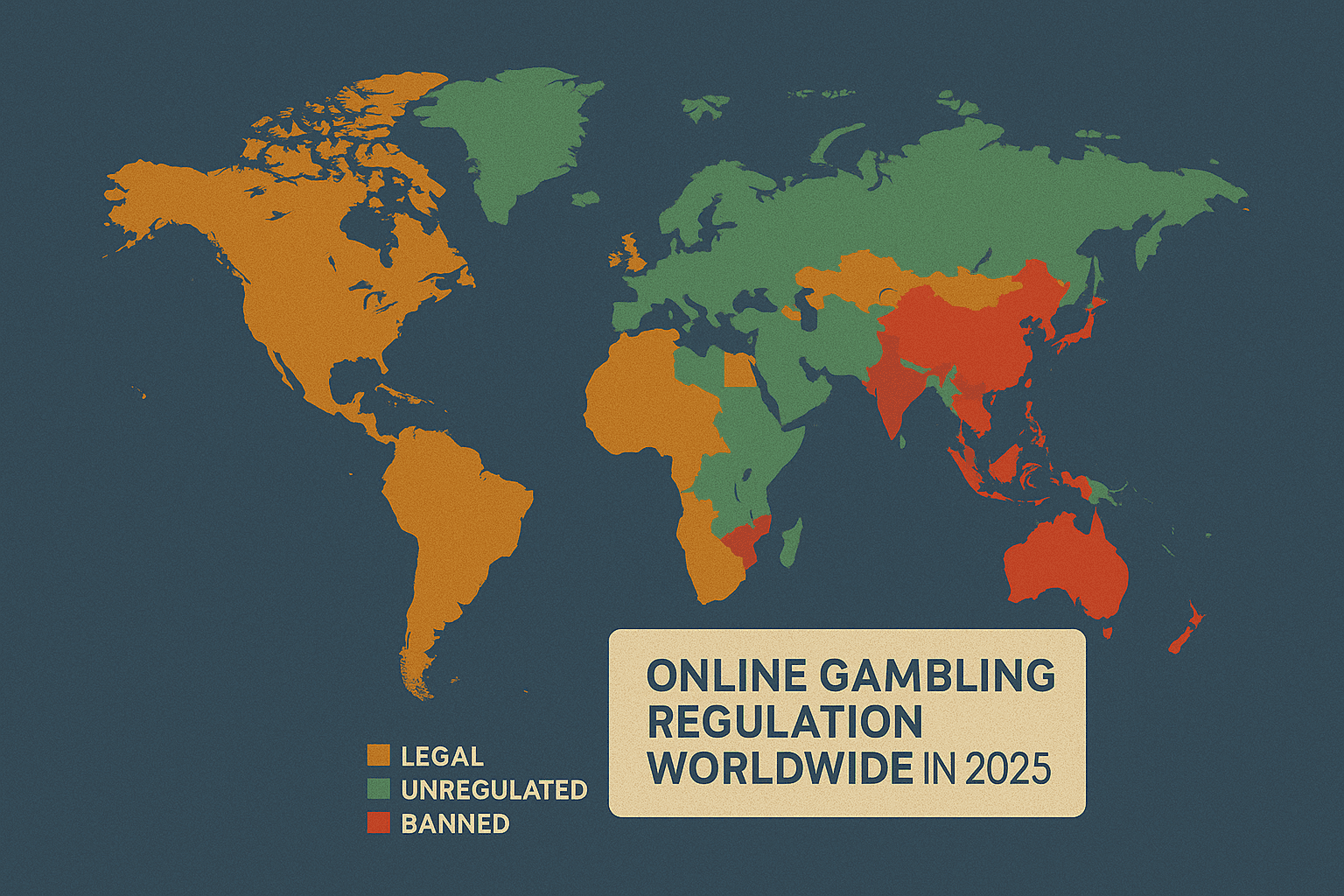
Online gambling legislation differs drastically by country. As of 2025, global markets fall into three main categories:
- Regulated: Countries where online gambling is legal and licensed
- Unregulated: Countries without specific laws for or against iGaming
- Prohibited: Countries where online gambling is illegal
1. Regulated Markets
These jurisdictions have established licensing frameworks. Operators can legally provide online casino or betting services if they hold a local license. In some cases, only locally licensed websites are allowed; in others, offshore platforms are accessible.
Examples of regulated markets:
- Europe: UK, Sweden, Germany, Spain, Netherlands, Romania, Portugal
- Asia: Philippines, India, Armenia
- Africa: Kenya, Nigeria, Ghana, Rwanda
- North America: USA (state-level), Canada, Curaçao
- Latin America: Brazil, Colombia, Argentina
- Oceania: New Zealand, Papua New Guinea
The U.S. is a special case: regulation happens at the state level, meaning that legality varies significantly by region.
2. Unregulated Markets
These countries do not prohibit iGaming, but they lack a licensing process or clear rules. Operators often work from offshore jurisdictions or enter the market indirectly.
Examples:
- Africa: Morocco, Madagascar, Tanzania, Zambia
- Asia: Mongolia
- Europe: Andorra, Kosovo
- Latin America: Mexico, Peru, Bolivia
- Caribbean: Costa Rica, Saint Lucia
- Oceania: Micronesia, Tonga
In unregulated markets, player access to offshore sites is often tolerated, and local enforcement is minimal.
3. Prohibited Markets
In these countries, online gambling is explicitly banned. Violations may lead to legal consequences for both operators and players. That said, enforcement varies—some countries turn a blind eye to offshore activity.
Examples:
- Asia: China, Saudi Arabia, Iran, Turkey, Indonesia
- Africa: Egypt, Algeria, Libya
- Europe: Russia, Albania
- Americas: Cuba, Puerto Rico, Uruguay
- Oceania: Australia, Samoa, Tuvalu
Despite bans, many players in these regions use VPNs or cryptocurrencies to bypass restrictions.
Legal Landscape by Region
Here’s a simplified view of regional tendencies:
- Europe: Heavily regulated, mature market with strong compliance standards
- Asia: Fragmented landscape, many bans but high offshore activity
- Africa: Rapidly growing, with mixed regulation and rising mobile access
- Latin America: Emerging regulatory trends, especially in Brazil and Colombia
- North America: Diverse environment, led by U.S. state-level reforms
- Oceania: Mostly unregulated or restricted, except for New Zealand
Why Regulation Matters
Entering a regulated market gives operators:
- Legal protection and transparency
- Higher player trust and payment processing options
- Access to targeted marketing and affiliate networks
- Easier cooperation with banks and financial institutions
Non-compliance or targeting restricted countries can result in:
- Domain blacklisting
- Fines or sanctions
- Payment provider issues
- Reputational damage
Conclusion
Regulatory frameworks for online gambling continue to evolve. As of 2025, over 70 countries maintain strict bans, 46 operate without clear rules, and 79 offer regulated paths with licensing procedures.